Glass Fiber Manufacturer in Bhavnagar
In a rapid-growing industrial ecosystem, advanced materials are the ones that are shaping the future of manufacturing industries and in that, glass fiber is at the forefront. As it delivers exceptional strength-to-weight ratio, corrosion resistance, and adaptability, it has become indispensable across multiple high-performing industries. A trustworthy glass fiber manufacturer plays a pivotal role in delivering innovative composite solutions that meet the growing demand for durability, efficiency and eco-friendly solutions. From design of aircraft to automotive engineering, industries are rapidly getting depend on precision-engineered glass fiber products to stay ahead in competitive and performance-driven world.
Aerospace Industry: Precision Meets Performance
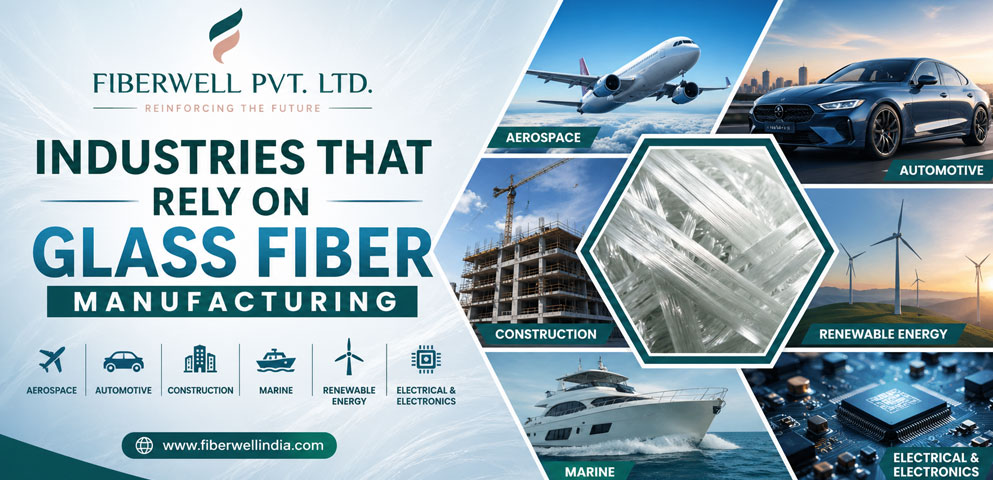
The aerospace sector demands materials that are light-weight and extremely profound. Glass fiber composites are broadly used in interiors of air-craft, insulation mechanism, and structural components. These materials significantly lower overall weight of an aircraft, which leads to better fuel efficiency and reduced emission. Working with an experienced Glass Fiber Manufacturer ensures that aircraft components meet strict safety and performance standards, including tolerance towards extreme temperature and pressure variations.
Automotive Sector: Driving Lightweight Innovation
In the automotive industry, glass fiber is transforming how vehicles are manufactured. Glass-fiber-reinforced plastics are widely used in body panels, dashboards, bumpers and under-the-hood components. Manufacturers benefit from reduced vehicle weight, improved fuel efficiency, and enhanced durability. The usage of advanced composites also supports sustainability goals by reducing emissions and extending vehicle lifespan.
Construction Industry: Building Stronger Structure
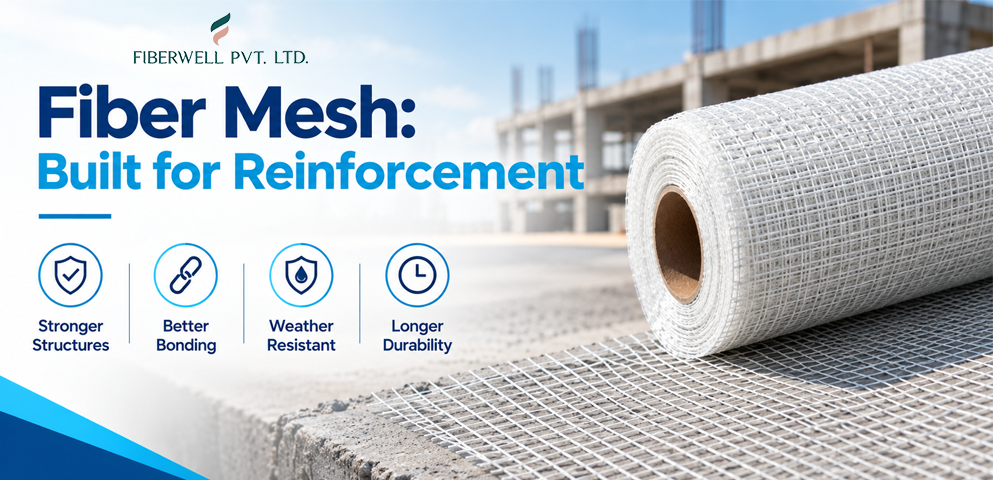
The construction sector extensively uses glass fiber in applications like glass fiber reinforced concrete, insulation, and roofing mechanism. Its light-weight yet durable nature allows architects and engineers to design modern, efficient structures. A reliable supplier provides materials that deliver excellent resistance to moisture, chemicals, and environmental wear, making them suitable for prolonged infrastructure projects.
Marine Industry: Strength in Harsh Environments
Marine applications require materials that can withstand constant exposure to sea water and unpredictable extreme weather. Glass fiber composites are broadly used in boats, yachts, and offshore structures as they deliver corrosion tolerance and durability. These materials ensure longer service life, reduced maintenance, and improved performance, making them a preferred choice for marine engineers.
Electrical & Electronics: Trustworthy Insulation Solutions
Glass fiber is a key material in the electronics sector due to its superior insulating properties. It is widely used in printed circuit boards, cable insulation, and electrical enclosures. Its dielectric strength, thermal stability, and flame resistance ensure safety and efficiency in demanding electrical environments.
Renewable Energy: Supporting Sustainable Growth
In the renewable energy industry, especially wind energy, glass fiber plays an essential role in manufacturing turbine blades. These blades must be made with lightweight materials that are strong enough to sustain repeated mechanical forces. Glass fiber composites enhance turbine efficiency and lifespan, supporting the global shift toward cleaner energy solutions.
Frequently Asked Questions
Industries such as aerospace, automotive, marine, electrical, and renewable energy widely use glass fiber.
It improves performance by reducing vehicle weight, enhancing fuel efficiency, and increasing durability and safety.
Glass fiber provides strength, lightweight properties, corrosion resistance, and durability, making it more efficient than many conventional materials.
Yes, glass fiber can perform under extreme conditions such as high temperatures, moisture, and chemical exposure.
Yes, its durability, energy efficiency, and long lifespan make it an environmentally friendly material choice.
Conclusion:
From the aerospace industry to the automotive sector, construction sites to renewable energy units, glass fiber is consistently redefining modern manufacturing. Industries rely on its unique combination of strength, flexibility, and sustainability to enhance performance and reduce costs. Selecting the right Glass Fiber Manufacturer can significantly impact product quality and long-term success. As industrial demands grow, glass fiber will remain a key driver of innovation and efficiency across multiple sectors.