The construction industry has developed gradually over time. In today’s construction industrybuilders, contractors, and engineers are constantly searching for smarter materials that provide high-level of strength, crack tolerance, and long-term durability. One material that has transformed modern construction is Fiber Mesh.
From industrial flooring and highways to plastering and waterproofing applications, Fiber Mesh for Construction plays an essential role in improving structural performance while minimising maintenance costs.
But not all fiber meshes are similar.
Understanding the various types of Concrete Fiber Mesh can assist you select the correct reinforcement solution for your project.
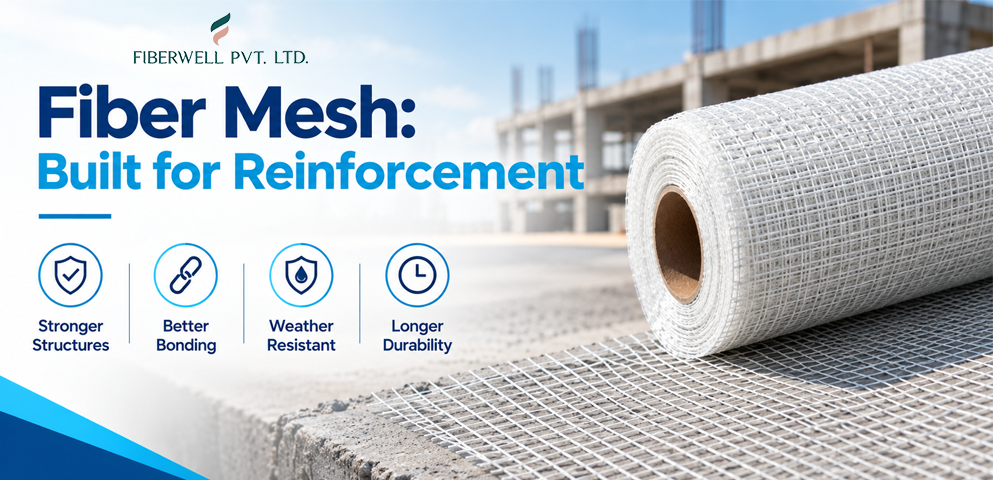
Fiber Mesh is a durable strengthening materialmade from synthetic, glass, or specialty fibers. It is blended into concrete, mortar, or plaster to control shrinkage cracks while improving tensile strength, and enhancing the durability of the structure.
Fiber Mesh is a durable strengthening materialmade from synthetic, glass, or specialty fibers. It is blended into concrete, mortar, or plaster to control shrinkage cracks while improving tensile strength, and enhancing the durability of the structure.
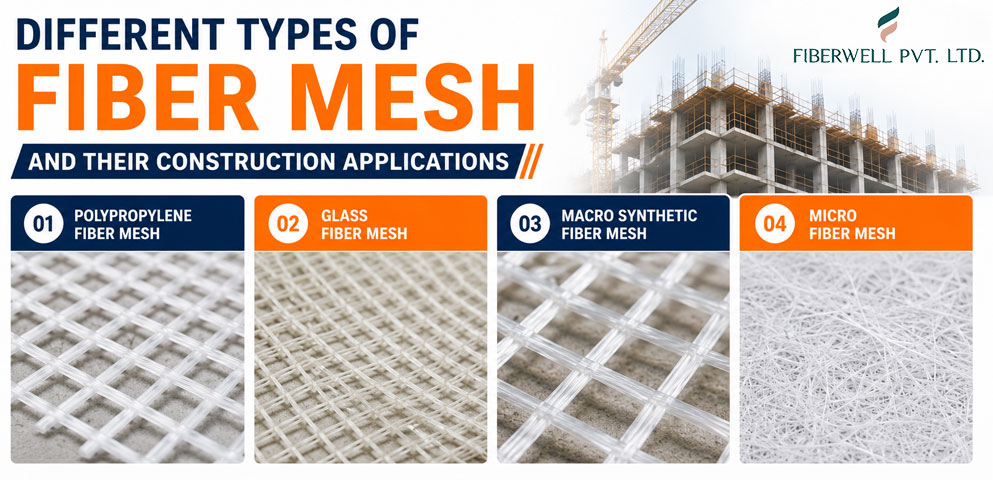
When it comes to day-to-day concrete reinforcement, Polypropylene Fiber Mesh is one of the highly preferred choices.
It is manufactured using top-quality synthetic fibers, this mesh distributes evenly throughout the concrete mix and helps in preventing cracks at initial stage.
Key Benefits:
Construction Applications:
This type of Fiber Reinforcement is ideal for projects requiring cost-effective durability.
For wall reinforcement, plastering, and waterproofing systems, Glass Fiber Mesh is widely preferred.
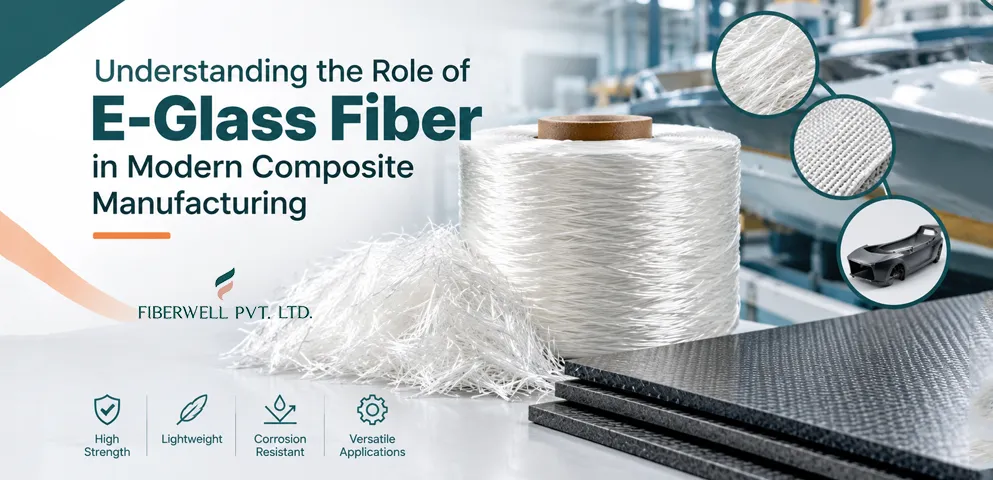
They are manufactured using woven fiberglass strands, which offers excellent flexibility with high tensile strength.
Key Benefits:
Construction Applications:
Glass Fiber Mesh is widely used where smooth wall finishes and crack prevention are important.
For heavy-duty structural uses, Macro Synthetic Fiber Mesh is offering exceptional performance.
These high-strength fibers are purely designed to handle structural loads and tolower down the dependency on steel reinforcement.
Key Benefits:
Construction Applications:
When strength and durability are priorities, this Concrete Fiber Mesh becomes the perfect choice.
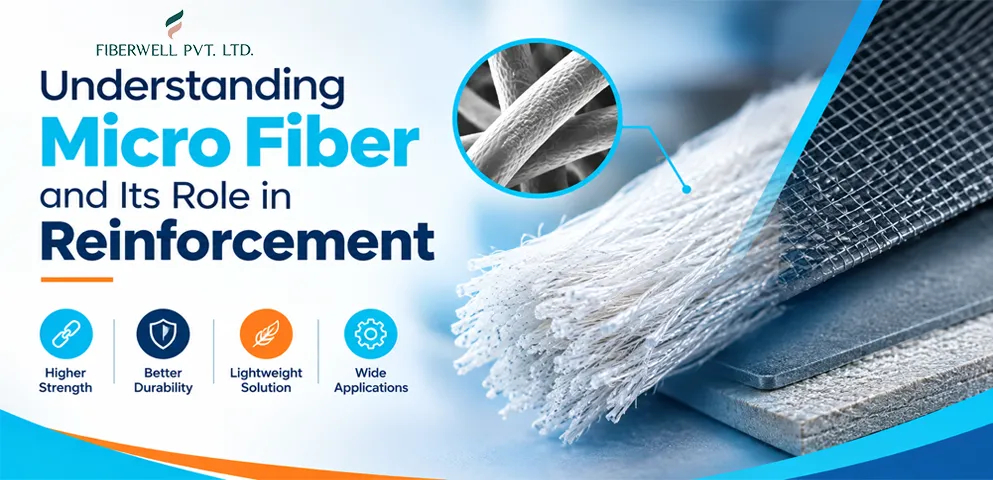
Micro fibers are designed to control fine cracks during the early curing stage.
Though small in size, these fibers make a great impact on concrete surface quality.
Key Benefits:
Construction Applications:
This type of Fiber Mesh for Construction is suitable for projects where both aesthetics and surface strength are important.
Selecting the right fiber mesh depends on:
For flooring and slabs - polypropylene fibers.
For plastering and waterproofing - glass fiber mesh.
For infrastructure and heavy-duty projects - macro synthetic fibers.
Builders today prefer Fiber Mesh Reinforcement because it offers:
It’s not just reinforcement - it’s a long-term investment in construction quality.
The main purpose of fiber mesh is to reduce cracking, improve durability, and increase the overall strength of concrete and plaster applications.
In many non-structural and semi-structural uses, fiber mesh can reduce or partially replace traditional steel reinforcement, again it depends on requirements of project.
Glass Fiber Mesh is probably considered as the best option for plastering as it offers flexibility, crack tolerance, and finishing quality.
Selecting the right Fiber Mesh solution plays a vital role in improving the strength, durability, and overall lifespan of your construction projects. From residential flooring and plaster reinforcement to large-scale infrastructure developments, different types of fiber mesh provides specific performance advantages based on project requirements and application needs.
For premium-quality fiber reinforcement products and reliable construction solutions, explore Fiberwell, a reputed name known for delivering advanced reinforcement technologies build for modern construction needs.